Kazam Revolutionizes India's EV Infrastructure with Smart Charging and Energy Trading
As India accelerates towards an electric future, building reliable infrastructure is just as critical as manufacturing the vehicles themselves. For fleet operators, delivery drivers, and everyday commuters, range anxiety and charging downtime represent significant hurdles. Kazam, an EV charging and energy management platform, has emerged as a crucial layer of software and hardware to solve these very problems.
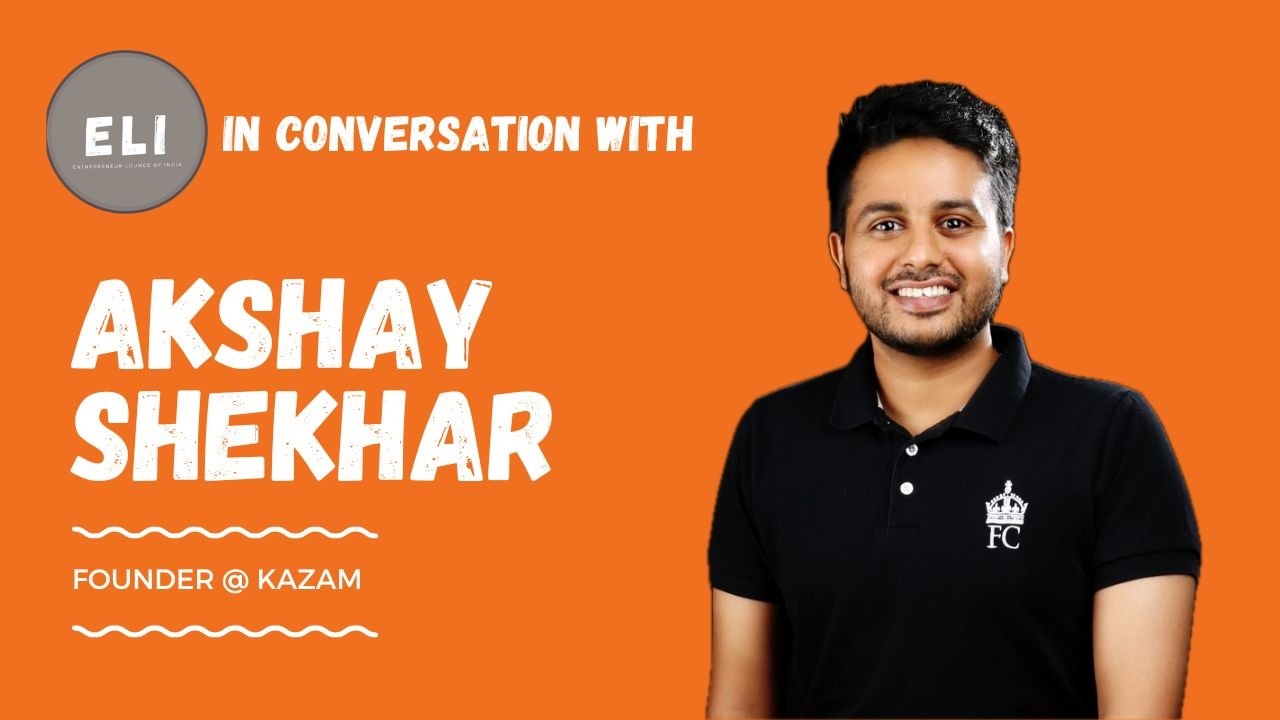
Akshay Shekhar, Co-founder of Kazam, recently sat down on the ELI Podcast to detail how his company has scaled to manage nearly 200,000 charging stations across the country. From helping major quick-commerce players keep their fleets moving to pioneering peer-to-peer energy trading in India, Shekhar unpacks the vast technological shifts that will define the next decade of mobility.
The Real Driver of India's EV Story: Two and Three-Wheelers
Kazam didn't begin in a high-tech lab; it started as a YouTube channel. During the initial wave of the 2020 pandemic, Shekhar—a second-time entrepreneur with an engineering background—started making videos to evaluate if India was truly ready to adopt electric vehicles. The findings were revealing. People from all walks of life, regardless of income bracket, intuitively understood the compelling math of EVs. While the upfront cost was slightly higher, the Total Cost of Ownership (TCO) was drastically lower than internal combustion engine (ICE) counterparts.
Shekhar realized a crucial distinction about the Indian market. While the West focuses on passenger cars, India’s vehicle population is dominated by two and three-wheelers. Out of approximately 350 million vehicles in the country, nearly 300 million belong to this lighter category.
Recognizing the absolute lack of charging infrastructure tailored to this massive segment, Kazam set out to provide solutions specifically designed for two and three-wheelers, working directly with Indian OEMs to craft technology that fit the local context.
Solving for the Toughest Customers: Fleet Operators
Kazam’s early strategy focused on the segment that would benefit most from lowering their TCO: fleet operators and cargo vehicles. By prioritizing users who drove high kilometers daily, Kazam tapped into quick-commerce logistics, landing their first major client in Bangalore.
The Quick-Commerce Charging Challenge
Fleet operators typically had a short 7-hour overnight window to charge all their vehicles. Because parking real estate is expensive, they couldn't afford one charger per vehicle. Vehicles had to be stacked, sharing chargers in shifts. Relying on a single security guard to monitor power outages, swap cables, and ensure 100% charge readiness was physically impossible and led to significant operational downtime.
To address this, Kazam developed an intelligent software-hardware combination. The software orchestrates the charging schedule, automatically alerting the ground staff when a vehicle is fully charged and ready to be swapped, or if an unexpected issue like a power trip or earthing failure occurs. By providing real-time visibility, asset utilization skyrocketed, and fleet owners were no longer paralyzed by uncharged vehicles in the morning.
Scaling with BigBasket and Beyond
The success with early logistics players quickly spread through the industry like wildfire. It wasn’t long before quick-commerce giants like BigBasket approached Kazam to deploy the solution at a massive scale.
Kazam's Impact with BigBasket
Today, Kazam powers approximately 4,500 to 5,000 charging stations across BigBasket's dark stores. This infrastructure supports a massive daily operation, providing seamless, reliable charging for roughly 30,000 to 35,000 delivery drivers.
At this scale, Kazam introduced vital authentication and payment layers. For fleet hubs, the software ensures that only authorized drivers assigned to specific platforms can plug in. It also accurately calculates electricity consumption, enabling automated, transparent digital payments rather than relying on manual cash collections.
The Future: Peer-to-Peer Energy Trading
As Kazam solidifies its hold on EV charging infrastructure, Shekhar is looking toward the next frontier: energy trading. For an average EV owner in India, purchasing an electric vehicle can increase monthly electricity bills significantly. Conversely, homeowners with solar rooftops often generate surplus power that they struggle to monetize efficiently.
Kazam is building technology to enable peer-to-peer energy trading, allowing a neighbor with solar panels to sell their excess electricity directly to an EV owner at a rate cheaper than the standard grid price.
How P2P Energy Trading Will Work
1. Decentralized Supply: Solar rooftop owners generate excess energy.
2. Digital Marketplace: Through Kazam's integration, EV owners can connect and purchase this energy.
3. Unified Infrastructure: Working with government nodal agencies like the India Energy Stack (IEES), similar to how NPCI manages UPI, this transaction is settled seamlessly.
4. Cost Reduction: EV charging costs could plummet by an estimated 25% to 30% for consumers.
By transforming every household into a potential micro-grid, this innovation sidesteps the physical limitations of centralized charging stations, solving localized access issues while drastically lowering costs.
The Reality of Entrepreneurship: A Salesman for Life
Transitioning from his early career to a second-time founder, Shekhar has learned that building a startup is less about writing code and more about human connection. When asked about what it takes to be an entrepreneur, his answer was clear: you are a salesman for life.
He shared that Kazam’s second major investor rejected them four times before finally signing a check. It is this perseverance, coupled with curiosity and self-awareness, that Shekhar credits for surviving the journey from a five-person team to managing over 350 employees today. As Kazam grows, his role has shifted from deep technical execution to solving complex human and organizational problems, ensuring teams remain aligned with their shared vision.
Key Takeaways
- Design for the Local Market: In India, the EV revolution is built on two and three-wheelers, not passenger cars. Tailoring hardware and software to this demographic is essential for rapid adoption.
- Solve Deep Operational Pain: Kazam didn't just build a charger; they solved the specific logistical nightmare of overnight fleet charging, ensuring 100% uptime for quick-commerce deliveries.
- Software is the Moat: While hardware can be commoditized, the intelligent orchestration of charging, authentication, and digital payments is what secures enterprise clients and builds long-term value.
- Energy as a Digital Good: The upcoming integration of peer-to-peer energy trading through platforms like India Energy Stack (IEES) will democratize power, turning neighbors into energy providers and slashing costs by up to 30%.
About the Guest
Akshay Shekhar is the Co-founder of Kazam. A second-time entrepreneur with an engineering background, he previously built an augmented reality startup. With Kazam, he has pioneered specialized software and hardware solutions to scale electric vehicle adoption across India.
Kazam is India's leading electric mobility and energy technology platform. Providing intelligent charging stations and robust management software for both retail consumers and large fleet operators, Kazam currently manages nearly 200,000 charging points nationwide, powering the logistics behind brands like BigBasket.